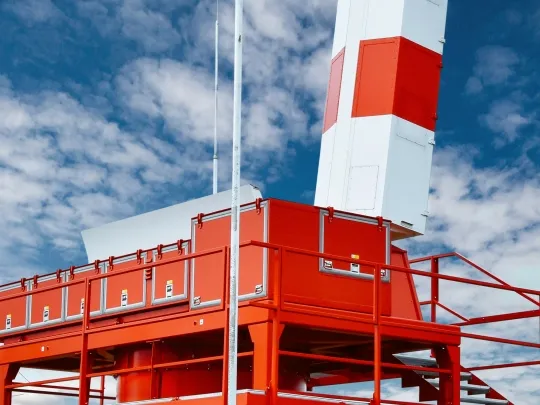

GCA Radar Sets

The RPL-2000 Ground Control Approach Radar (GCA) is a complete set of all ELDIS active radars. It is designed to provide complete solution for Ground Control Approach of military aircraft or Air Defence. The RPL-2000 GCA consists of Primary Surveillance Radar RL-2000, Secondary Surveillance Radar MSSR-1 and Precision Approach Radar PAR-E, as well as the Operations Subsystem which includes Communication Equipment, the ERDIS Air Traffic Management Automation System and mobile control tower. 

The RPL-2000 GCA follows the tradition of proven concept of complete airbase radar solution and represents the next generation of the RPL-5M GCA radars, produced by ELDIS Pardubice. The GCA is based on common standards and modular design, but uses the cutting-edge, fully solid-state technology, resulting in excellent radar parameters and long lifecycle of the radar equipment. 

The RPL-2000 GCA comes in fixed, transportable and mobile configurations.  

ELDIS is currently providing the RPL-2000 GCA radars to the Czech Air Force, Slovak Air Force and the Bulgarian Air Force. 
Add Any content here

Surveillance Systems

he radar system is designed to meet all the Air Traffic Control (ATC) requirements. The collocated radar consists of the Primary Surveillance Radar RL-2000 and the Monopulse Secondary Surveillance Radar MSSR-1. The system features fully solid-state highly modular configuration with whole system digitalization, fail-safe system and low lifecycle costs. The radar system is designed to be used in continuous operation. Every part of the system is easily maintainable and repairs are possible to carry out without any interruption to the radar operation. The radar meets EUROCONTROL and ICAO standards.

Add Any content here

Precision Approach Radars

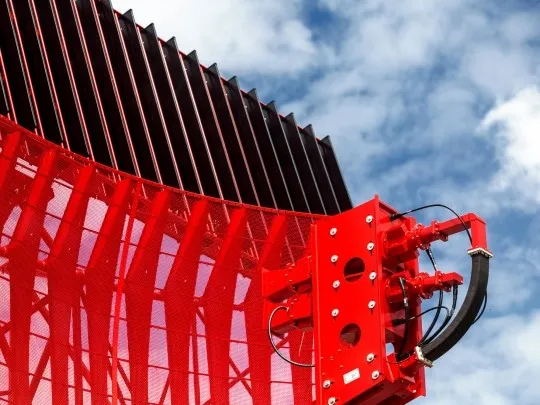
The PAR NG is the Precision Approach Radar of New Generation, that provides important support for the approach and landing control of various aircraft, including the emergency landing due to avionics failure. The radar utilizes an active electronic scanning antennas (AESA) both in the azimuth and the elevation which allows operation without mechanical movement of the antennas. The radar meets relevant ICAO standards and follows the NATO Vision document, according to which the PAR technology will be used at least until 2040.

The PAR NG is designed for target detection such as aircrafts, ground objects and meteorological formations. The detected information is displayed on workplace screens and radar information is transferred to remote ATC workplaces. The radar is particularly important in situations when the pilot has limited sight (because of fog, rain, etc.) and in emergency landing due to avionics failure. In this situation, the radar has to provide the approach controller with maximum quality radar display complemented by computer evaluation of speed, deviations from glide path/course line, the distance from the previously approaching aircraft, etc.

Add Any content here